Holiday seasons turn the volume up on memory. You can be standing in a grocery aisle and the cinnamon-sugar smell from a display knocks you back three years, to the last pie your father baked. A favorite carol starts in a rideshare, and your chest tightens before the first chorus. The holidays cluster sights, sounds, rituals, and expectations into a short stretch of time, so triggers arrive faster and from more angles than they do in July. That is why counseling often gets busier in December. It is not because grief is worse then, it is because the world is louder.
I have sat with people on couches and on telehealth screens, through first holidays after a death and through the seventh or seventeenth. Patterns differ, but one truth repeats: you do not have to choose between pretending everything is fine and staying home with the blinds closed. You do need a plan that matches this season, not the one you needed in spring. Good grief counseling meets you where your nervous system is and helps you move through the holiday landscape with steadier feet.
What a trigger is, and why the holidays stir so many
People use trigger for many things. In grief counseling, I mean the sudden spike of emotion, body sensation, or memory set off by a cue. The cue can be obvious, like seeing your mom’s handwriting on an ornament box, or subtle, like the slant of afternoon light that recalls a hospital window. Triggers can bring sadness, but also guilt, anger, relief, anxiety, even numbness.
The holidays gather cues into tight spaces. Calendars compress family events, travel, school breaks, religious services, and end-of-year deadlines. Grief already taxes attention and sleep. Add traffic, https://spiralsandheartspacehealing.com/attachment-therapy money stress, and social demands, and you get a nervous system working overtime. Trauma therapy names this as reduced capacity, or a narrower window of tolerance. When your window narrows, smaller cues cause bigger reactions. It is not weakness. It is physiology.
Somatic therapy gives a simple framing here: the body is not a separate narrator. It tells the story alongside your thoughts. If the holidays are a loud chapter, your body will react. You can learn to listen to it early enough to change what happens next.
Mapping your particular triggers
Generic advice cracks under pressure. The scent that comforts one person collapses another. Start with what is specific to you. In grief counseling sessions, we often map triggers on a single sheet of paper. We name them plainly, then rate how often they arise and how much they flood you. A client I will call Maria had lost her wife in late summer. By December she felt ambushed by minor things. When we sketched her map, three stood out: the holiday station on her kitchen radio, the annual cookie swap, and the sight of their storage unit key.
Notice the range. One is a sound, one a social ritual, one an object that implied a decision. That is typical. If you draw your own map, include the body too. Devon, who lost his brother three years ago, learned that tightness in his throat during small talk was his early warning. He thought it was allergies. It turned out to be grief trying to come forward.
Mapping gives you leverage. You cannot control the town’s tree lighting. You can decide what happens when your body tells you that you are approaching your limit.
The physiology of a holiday surge
Trauma therapy compliments grief counseling because both care about what happens inside the brain and body when memories and emotions become too much. Think about your arousal system like a tide chart. Holidays bring predictable high tides. Anticipation, not just the day itself, raises water levels. Travel adds jet lag. Alcohol and sugar, both common at parties, can spike and crash energy, which narrower windows tolerate poorly. Sleep disruption compounds all of this. The result: you are closer to the edge before anything sentimental even begins.
Somatic therapy offers tools to widen the window in real time. Slow exhales lengthen your parasympathetic “brake.” Orienting, the simple act of letting your eyes scan and name what is around you, tells your midbrain you are here, not there. Small, rhythmic movement discharges adrenaline. Movement therapy integrates this with intention, using steps, reach patterns, and breath to regulate instead of escalate. I often teach a micro-sequence people can do in a parked car before going inside or in a bathroom at a party. You do not need a yoga mat. You need about 90 seconds and permission to pause.

A small plan for a large day
A whole holiday can feel inevitable. It is not. You can change the shape of a day with a few levers. Try this before a date circled on your calendar, like the first night of Hanukkah, your family’s big dinner, or a memorial service.
- Clarify your role in advance. Decide whether you are a guest, a helper, or an observer. Name your arrival time, an exit window, and who knows your plan. Pre-set two breaks. Put them on your phone. Use them even if you feel fine. Step outside, sit in your car, or find a quiet room to reset. Choose a grounding anchor. A small stone in your pocket, a scent you like, a phrase you can say quietly. Practice with it ahead of time. Adjust one tradition, do not scrap them all. If your person lit the candles, you might invite a niece to do it with you. Resist all-or-nothing. Establish a code with a trusted ally. A glance or text that means “time to go” without debate, so you do not have to explain while flooded.
People often balk at this, worrying it makes them rigid. My experience is the opposite. A light structure creates freedom. You are less likely to bolt or overstay because you have handholds you can trust when your brain is too busy to make good choices.
The grief tasks that surface in December
Complicated grief rarely looks like nonstop tears. More often it is a tilting between doing and feeling, numbness and ache. Holidays highlight several grief tasks that counseling can help you hold:
Making room for ambivalence. You may love a ritual and hate it this year. You may laugh at a story and then feel disloyal. Attachment therapy reminds us that bonds are alive inside us. You can feel mixed, and it does not betray the person you lost. If anything, it honors the complexity of love.
Continuing bonds without freezing them. This might mean setting a place at the table one year, then creating a scholarship in their name later. I have seen families record a greeting in the loved one’s language and play it softly before a meal. Others write postcards to the deceased and hang them on a tree for a week, then put them away. When continuing bonds become rigid, they can hurt. When they evolve, they heal.
Locating the guilt lines. Holidays summon “shoulds.” I should host because she always did. I should keep the recipe exactly. Guilt tends to flare where your role has shifted. In session, we often ask: whose rule is that? Do you agree to keep it this season? Sometimes yes. Other times, you call a family meeting and say, this year we order tamales.
Choosing a witness. Grief wants to be seen by someone safe. That is attachment again. If your family is not the place, choose a friend or a support group. Online groups ramp up in late November for a reason. The simple act of typing, “Tomorrow is my dad’s birthday and I am dreading the cake” lowers the charge. You are no longer alone with it.
When to protect, when to expose
Avoidance feels good fast. It also teaches your brain that certain songs or places are dangerous. Over time, your world shrinks and triggers grow. On the other hand, muscling through can floor you and does not build skill either. This is a familiar dilemma in trauma therapy. The middle path is titration: taking in a manageable amount, pausing, then taking in a little more.
Here is how that looks outside the clinic. If the family movie night includes the film your partner loved, you might watch the trailer a day before, while walking on a treadmill. If your grandmother’s china is hard to see, you might take out one teacup in the morning light, drink water from it, notice your body, and put it away. That is exposure with support. Over the season, your capacity usually grows. Your aim is not to erase a reaction, but to learn you can feel it and stay present.
The body’s role in memory and how to befriend it
Somatic therapy pays attention to small things with big effects: jaw clenching, shallow breaths, a habit of holding your sternum tight. These are not random. They are your body’s version of bracing. Movement therapy offers concrete ways to change state through the body, not just through analysis. When triggers hit during the holidays, try this tiny circuit, once in the morning and once before bed for a week. Most people notice a shift by day three.
- Orient by naming five non-sentimental colors you see around you. Let your head move, not just your eyes. Pace your gaze. Lengthen your exhale to twice the length of your inhale for six breaths. If you inhale to a count of three, exhale for six. Press your feet into the floor on a slow count of five, release for five, repeat three times. Keep your shoulders soft while you do it. Reach both arms forward at heart height as if handing someone a book, then bring them back toward your chest as if receiving. Eight slow repetitions. Place one palm on your heart, one on your belly. Feel the warmth. Name out loud one thing that hurts and one thing that helps today.
None of this erases grief. It does shift your physiology from threat to safety enough that you can choose your next step rather than react to the last cue.
Families, attachment, and the invisible agreements at the table
Holiday gatherings are not just about ritual. They are about attachment patterns replaying in real time. The cousin who keeps busy holds a protector role. The sibling who pushes for normalcy may be trying to keep the ship upright the only way they know. The person who goes quiet might be carrying sorrow for the room.
Attachment therapy helps by making the invisible visible, without blame. I often invite families to name a small, specific need before the day begins. One teenager asked for no surprise toasts. A grandfather asked for a five-minute photo review after dessert and promised to keep it short. Trade-offs emerge. If you host, you might ask to keep the music low this year. If you opt out of a big dinner, you might offer to drop off dessert and sit on the porch with whoever wants a half hour. That is not withdrawal, it is shaping connection to fit your capacity.
Children and adolescents in a season of sentiment
Kids grieve in bursts, often around play or routine. They also track the temperature of a house. If the adults treat the season like a minefield, kids learn to tiptoe. Straight talk helps. You can say, I might cry when we open stockings because Grandpa helped me pick them out. You do not have to fix me. Families I have worked with build a simple ritual a child can repeat without fanfare, like putting a candy in a special jar for the person they miss and counting them on New Year’s Day. Adolescents benefit from choices. They may want to join a piece of a ritual and skip another. Give them roles that are real, not symbolic. Let them drive to pick up the bread, lead a short walk, or curate the playlist. It is movement therapy, too, in disguise.
Be alert to signs of strain in kids during this stretch: new sleep problems, regression, or aches without medical cause. These are common and usually pass with support. If they persist into January or affect school, a few sessions of grief counseling can help a child translate body signals back into words and play.
Rituals, faith, and cultural threads
Ritual is the nervous system’s friend because it is predictable. That does not mean the same ritual every year. It means form, intention, and repeatable gestures. Light a candle, say a line, pour a cup and tip a small amount back to the earth, play a favorite hymn, or cook one dish exactly as before and let the rest change. People from different traditions often borrow from each other with permission. A client from a Catholic family adapted the Jewish tradition of placing a stone at a grave by keeping a bowl of smooth stones by her front door. Visitors could sign one with a Sharpie and leave it in a wreath. She kept those stones in a clear jar the rest of the year, so grief did not disappear when the tree came down.
Faith communities can be anchors and triggers both. If the sanctuary feels like too much, ask if you can slip in for five minutes on a weekday to sit quietly. Many clergy understand this and can meet you at the door with a nod, not a conversation.
Social media, photos, and the algorithm that does not know your heart
Digital platforms surface “memories” without consent. If you can, adjust settings before the holidays. Disable memory notifications or filter dates. Have a friend curate a private album you can visit when you choose, not when your phone decides. I have seen people gain relief by setting a one-week window when they do not post anything personal. It reduces the sense that you need to perform a mood you do not feel.
Photos are powerful triggers and powerful tools. In session work, I often suggest looking at one or two images with a timer and a simple script: say out loud what was happening then, name a body sensation, and thank the image for what it brought up. This pairs exposure with grounding.
Substance use, sleep, and the unglamorous basics
The basics are not glamorous, but they hold the roof up. Alcohol blunts pain briefly and often rebounds with more anxiety later. If you choose to drink, eat first and alternate with water. If you are in recovery, bring your own beverage and stand near it at gatherings. Sleep is often the first casualty. It is also the best medicine your system has. Protect your first half hour of the morning and the last half hour of the night. Light stretching, a warm shower, and consistent wake time do more than most supplements. Movement therapy does not require a gym. A 12-minute brisk walk after dinner changes your nervous system enough to make the evening softer.
Group counseling, one-to-one support, and how to decide
Not all support fits all seasons. Some people do better in a circle in December, because hearing others name the same whiplash reduces shame. Others need the privacy of a single chair and a closed door. Think about the year you are in. First holiday after a death usually benefits from more structure: a short, time-limited grief counseling group can anchor you. Year three or four often surfaces new layers, like dating or moving houses. That might be a better fit for one-to-one work with a therapist skilled in attachment therapy, especially if holidays stir old family patterns alongside fresh loss.
If trauma is part of your story, say so when you book. Ask about the therapist’s experience with trauma therapy and somatic therapy, not just talk. You are looking for someone who can help you stabilize and feel without flooding, who understands pacing and can teach you regulation, not only reflection.
When grief meets trauma
Some losses are traumatic. Sudden deaths, suicides, violent accidents, and deaths after medical nightmares carry images and body responses that function like trauma. Holidays pack triggers for these kinds of loss: sirens on a parade route, clinking glasses that sound like a hospital machine, fireworks that mimic gunshots. Trauma therapy approaches such as EMDR, somatic experiencing, or sensorimotor psychotherapy can help file those sensory fragments so they do not jump out of the drawer every time December lights switch on. This is not work to do alone. If images intrude, you startle easily, or your mood swings scare you, reach out. There is no merit badge for white-knuckling through.
Making room for joy without apology
People often feel uneasy about laughing during grief, especially around the holidays with their scripted cheer. Joy shows up in pockets anyway, and it does not cancel your sorrow. In fact, allowing small pleasures can lengthen your stamina for the hard parts. One widow I worked with planned a tiny joy for each of the twelve days her extended family visited. Some were mundane: a new kitchen sponge, the exact tea she liked. Two were pointedly funny, including a tradition of sharing the worst holiday movie they could find. She cried three times on Christmas Eve that year. She also named it her favorite season since her husband died, precisely because she did not demand a single mood from herself.
Coordinating with the people who love you
If you have a partner or a best friend trying to help, give them a job. People flail when they care and do not know how to act. Ask someone to text you at 3 p.m. On a big day. Ask someone else to walk with you for 15 minutes after lunch on the 26th. Give one person responsibility for dealing with a difficult relative so you do not have to referee. Clear is kind. Vague is exhausting.
When support misfires, name it early. If your aunt keeps urging you to “stay positive,” it may come from her own fear of feeling. You can say, I know you mean well, but can we skip pep talks and just sit with me for five minutes after dessert. People usually rise to the clarity you offer.
The aftercare that prevents a January crash
Holiday weeks can feel like sprints. Many people collapse in early January and think they are backsliding. It is more often delayed processing. Plan a landing. Keep one quiet day in the first week of January. Put away decorations in stages instead of in a single purge. Debrief with someone: what worked, what did not, what you want to repeat next year. If you journal, write one paragraph addressed to your person, one to your present self, one to your future self. Grief is a long arc. This was one chapter.
A few words about expectations and permission
I have seen people do holidays at cemeteries with folding chairs and hot chocolate. I have seen them skip the day entirely and fly to a city their loved one never visited. I have watched families keep a plate and pour a cup, then quietly wash them and put them back in the cupboard. There is no correct way to mark absence. There is only a way that respects your attachment, your body’s responses, and your current capacity.
If you need permission to change a tradition, take it. If you need a companion to keep a tradition intact while you stand nearby, ask. If you are the only one in your circle who wants to grieve out loud, find a grief counseling group for an hour and let them hear you. If movement soothes you, lean on it. If prayer steadies you, pray. If you are not sure what helps, experiment in small doses and keep what works.
Grief does not end on a date. Triggers do not obey calendars either. But practice changes your relationship with both. Over time, what knocks you over today may still catch your breath next year and no longer sweep your feet. That is healing measured honestly, in inches not miles.
Resources and next steps that tend to help
If you are considering support, look for clinicians experienced in grief counseling and, when relevant, trauma therapy. Ask whether they integrate somatic therapy or movement therapy if your body feels like the battleground. If family dynamics churn, attachment therapy offers a lens and tools that translate well to holiday stress. Many communities host remembrance services or quiet-hours in late December designed for mourners. Online groups through hospitals, hospices, and nonprofits often expand for the season and can give you a place to speak without explaining the basics.
Finally, keep your map. The one you made at the start of this season becomes a record. You can mark what triggered you and what helped. Next year, you will not be starting cold. You will carry forward hard-earned knowledge about what steadies you when the world turns on the lights and expects you to shine. You may or may not. What matters is that you know your shape and you let that, not the calendar, lead.

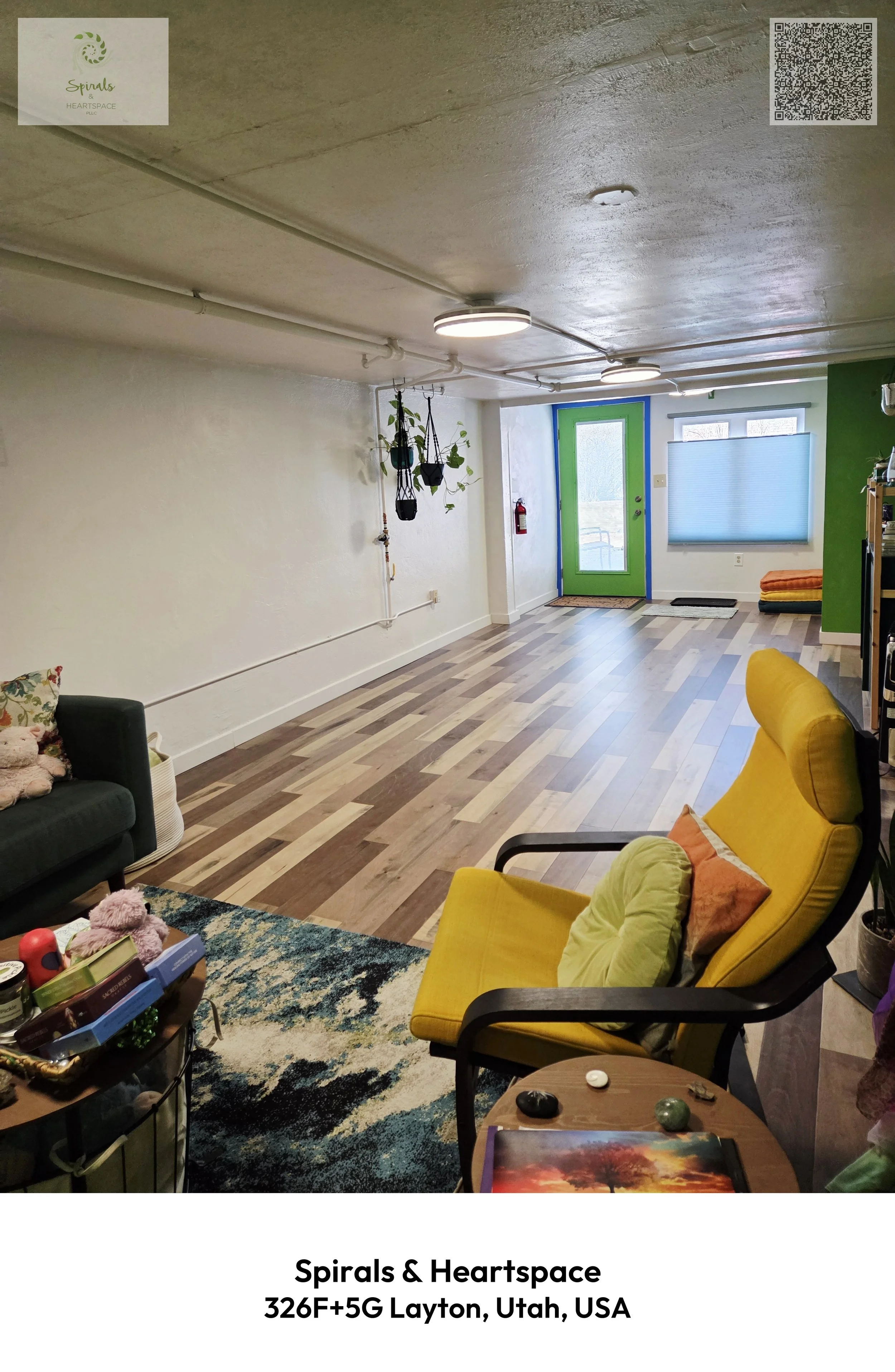
Spirals & Heartspace
Name: Spirals & HeartspaceAddress: 534 W Gentile St, Layton, UT 84041
Phone: (385) 301-5252
Website: https://spiralsandheartspacehealing.com/
Hours:
Sunday: Closed
Monday: 9:30 AM – 7:00 PM
Tuesday: 9:30 AM – 7:00 PM
Wednesday: 9:30 AM – 7:00 PM
Thursday: 9:30 AM – 7:00 PM
Friday: 9:30 AM – 7:00 PM
Saturday: Closed
Open-location code / plus code: 326F+5G Layton, Utah, USA
Coordinates: 41.0604503, -111.9762128
Map/listing URL: https://www.google.com/maps/place/Spirals+%26+Heartspace/@41.0604503,-111.9762128,766m/data=!3m2!1e3!4b1!4m6!3m5!1s0x875303311f1d4d1b:0xc6859e5e3fceafe2!8m2!3d41.0604503!4d-111.9762128!16s%2Fg%2F11x781dbvb
Embed iframe:
Socials:
Instagram: https://www.instagram.com/spiralsheartspace/
LinkedIn: https://www.linkedin.com/company/spirals-and-heartspace-pllc
TikTok: https://www.tiktok.com/@spiralsheartspace
X: https://x.com/SpiralsHea61786
YouTube: https://www.youtube.com/@SpiralsHeartspace
The practice is led by Ande Welling, a licensed clinical mental health counselor with training in dance/movement therapy, somatic work, EMDR, trauma care, relational neuroscience, and embodied attachment.
Listed services include therapy, coaching, consultation, authentic movement, trauma therapy, somatic therapy, grief counseling, movement therapy, and attachment therapy.
The practice serves adults who want a deeper body-aware approach to trauma, anxiety, depression, grief, burnout, self-abandonment, family patterns, and relationship wounds.
Spirals & Heartspace offers both in-person sessions in Layton and online therapy for clients in Utah.
The practice is locally positioned for clients in Layton, Kaysville, Farmington, Syracuse, Clearfield, Clinton, Roy, Ogden, Bountiful, Davis County, and nearby northern Utah communities.
The office is listed at 534 W Gentile St in Layton, with public listing hours Monday through Friday from 9:30 AM to 7:00 PM.
Prospective clients can call (385) 301-5252 or visit https://spiralsandheartspacehealing.com/ to ask about consultation options, session fit, and scheduling.
The public map listing for Spirals & Heartspace can help clients verify the Gentile Street office before planning an in-person appointment.
Popular Questions About Spirals & Heartspace
What is Spirals & Heartspace?
Spirals & Heartspace is a Layton, Utah psychotherapy and coaching practice offering somatic, trauma-focused, expressive arts, movement-based, and attachment-informed support for adults.
Who is the therapist at Spirals & Heartspace?
The official site identifies Ande Welling as the therapist, coach, movement facilitator, and guide behind Spirals & Heartspace. Listed credentials include LCMHC, BC-DMT, NCC, GL-CMA, BSE, EMDR Trained, and CCTP-II.
Where is Spirals & Heartspace located?
The matching public listing and LinkedIn profile list the address as 534 W Gentile St, Layton, UT 84041.
Does Spirals & Heartspace offer online therapy?
Yes. The official FAQ states that therapy is available in person or through a HIPAA-compliant telehealth platform for clients who live in Utah.
What services does Spirals & Heartspace provide?
Listed services include therapy, coaching, consultation, authentic movement, trauma therapy, somatic therapy, grief counseling, movement therapy, and attachment therapy.
What makes somatic therapy different from traditional talk therapy?
The official Layton page explains that somatic therapy works with body sensations, movement, and physical experience because trauma and emotional patterns can be held in the nervous system, not only in thoughts.
Do clients need dance experience for movement therapy?
No. The official Layton FAQ says no dance training or special physical ability is required, and that movement therapy uses a client’s natural capacity for movement to access emotions and process experiences.
Does Spirals & Heartspace accept insurance?
The official FAQ says the practice does not take insurance directly, but may provide superbills or bill for out-of-network benefits when applicable. Clients should confirm current reimbursement options directly before scheduling.
What are Spirals & Heartspace’s listed hours?
The matching public listing shows Monday through Friday from 9:30 AM to 7:00 PM, with Saturday and Sunday closed. Appointment availability should be confirmed directly.
How can I contact Spirals & Heartspace?
Call (385) 301-5252, visit https://spiralsandheartspacehealing.com/, or use the listed social profiles: https://www.instagram.com/spiralsheartspace/, https://www.linkedin.com/company/spirals-and-heartspace-pllc, https://www.tiktok.com/@spiralsheartspace, https://x.com/SpiralsHea61786, and https://www.youtube.com/@SpiralsHeartspace.
Landmarks Near Layton, UT
Spirals & Heartspace is located on West Gentile Street in Layton, Utah, with in-person therapy available locally and online therapy available for Utah residents. Clients near these landmarks can call (385) 301-5252 or visit https://spiralsandheartspacehealing.com/ to ask about somatic therapy, trauma therapy, movement therapy, grief counseling, attachment therapy, and consultation options.
- 534 W Gentile St — The listed office address for Spirals & Heartspace; clients can use the map listing to verify the office before visiting.
- West Gentile Street — The local street connected with the practice’s Layton office location.
- Downtown Layton — A practical local reference point for clients navigating central Layton.
- Layton Hills Mall — A major Layton shopping landmark and useful orientation point for clients traveling through the city.
- Interstate 15 near Layton — A major northern Utah route that helps clients reach Layton from nearby Davis County communities.
- Layton FrontRunner Station — A transit landmark for clients traveling by commuter rail through Davis County.
- Ellison Park — A local park and community landmark in Layton.
- Great Salt Lake Shorelands Preserve — A major natural landmark west of Layton and a recognizable Davis County destination.
- Hill Air Force Base — A major regional landmark near Layton and Clearfield.
- Kaysville — A nearby Davis County city listed in the practice’s surrounding service area.
- Farmington — A nearby Davis County community included in the broader local service-area language.
- Ogden — A nearby northern Utah city; clients can ask whether online Utah therapy or in-person Layton sessions are the best fit.